

Context
We protect what we know.
The more we understand and discover Borneo, the more we can help preserve it.
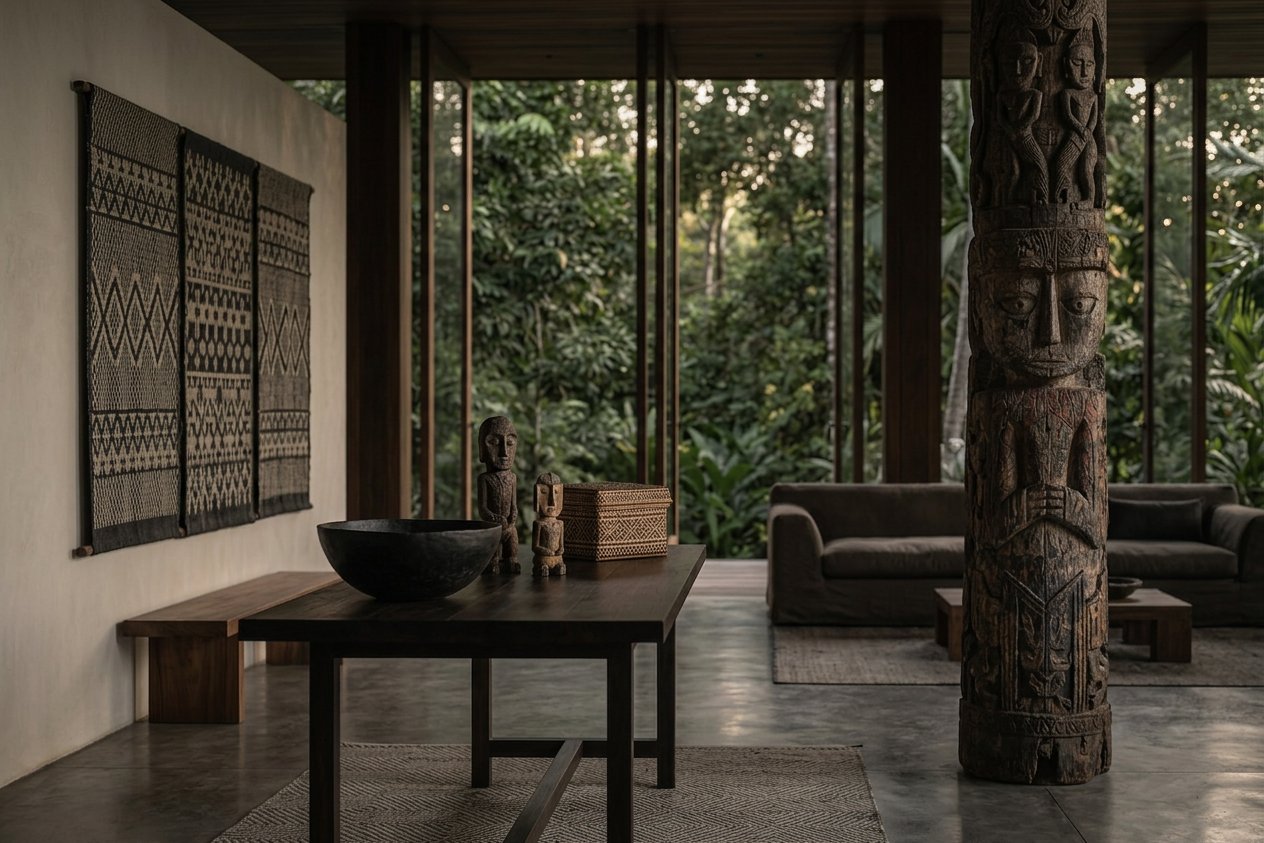
The idea
Objects travel easily. Context rarely does.
A carved figure, a woven basket or a length of river-worn timber can cross the world in a container and arrive with no account of where it came from, who made it or what it once did.
Closing that distance is our work. We look closely at what we offer, name materials plainly, and describe each object through the communities, regions and traditions that produced it.
Place
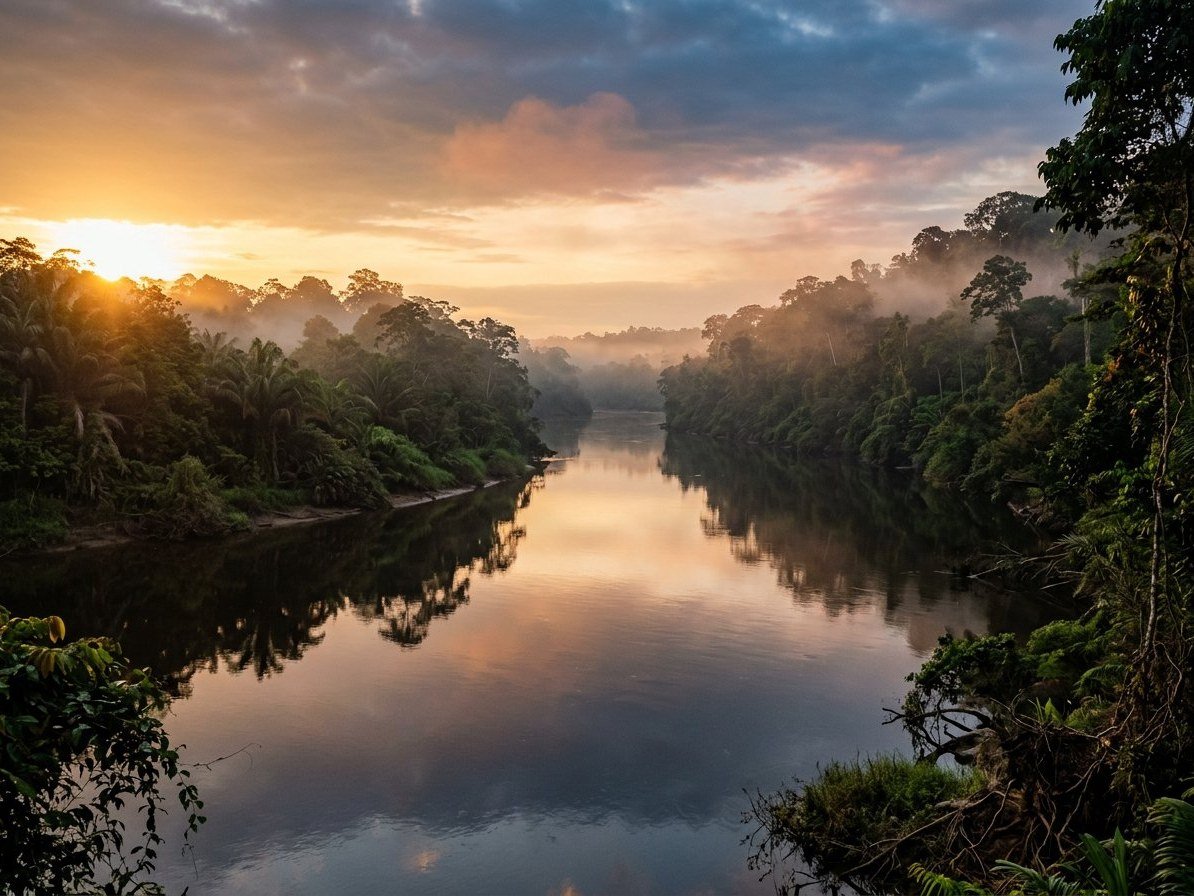
Borneo is not a single visual language.
Borneo is one of the largest islands on earth and one of the most varied. Its regions, communities and crafts remain distinct from one another. Dayak traditions alone take many forms, and each community works with its own materials, its own motifs and its own architectural logic. Treating the island as a single style would flatten exactly what makes it worth knowing.
We use geography as a starting point and then stay specific: this material, this region, this reported origin, this kind of use.
Selection
We look for objects that carry a clear visual presence.
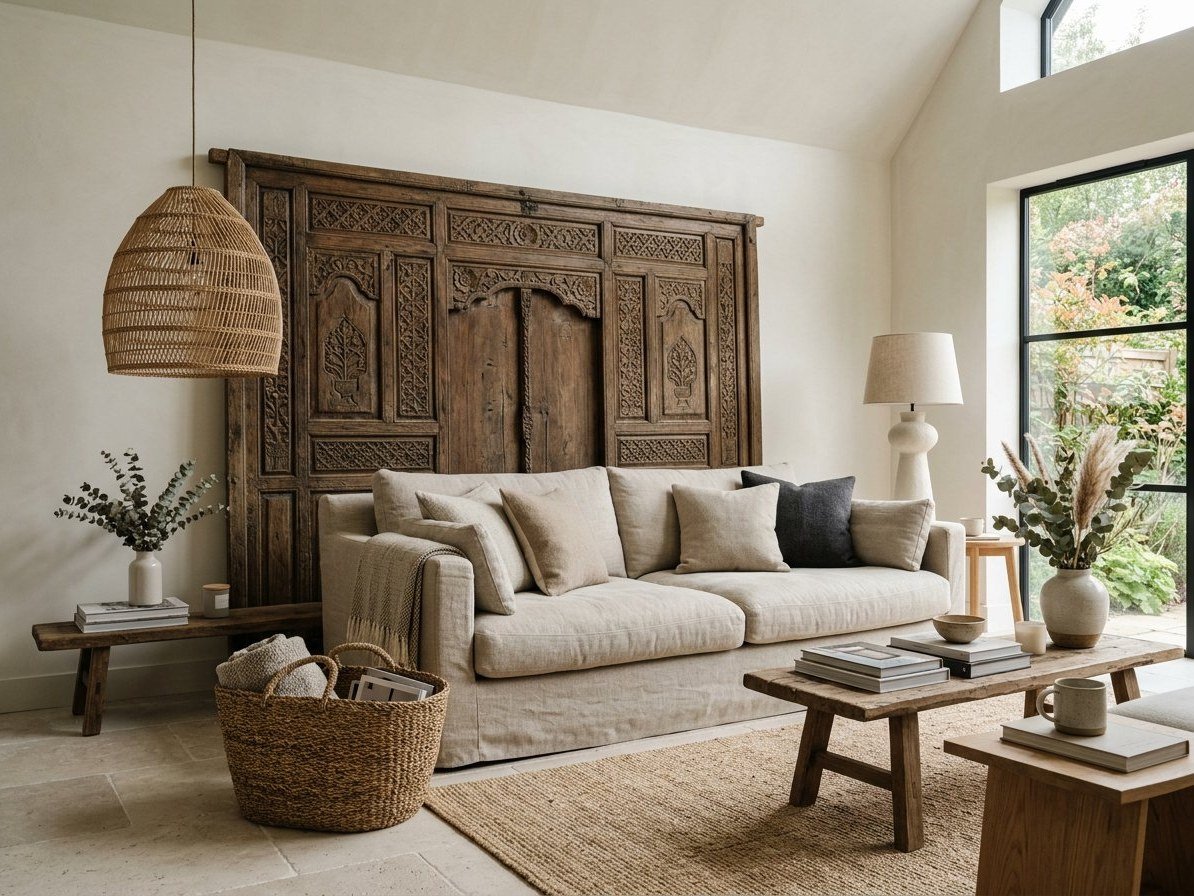
Objects do not need an invented story to hold a room. We choose pieces with presence, then describe wood, fibre, scale, construction and use as far as the information allows. A piece can be admired, and sold, without being called antique, sacred or ritual. Those words are used only when the source supports them.
In practice that means fewer objects and more attention: complete forms, honest surfaces, and details that keep giving on a second and third look.
Preservation
The more we know, the more we can protect.
Every object we handle is a record of a place that is changing quickly. Documenting materials, origins and communities keeps that knowledge in circulation, and it supports the idea that Borneo's forests, rivers and cultural traditions are worth protecting.
As the collection grows, we intend to contribute to the organisations working on that preservation, and we will state plainly what we do when we do it.