

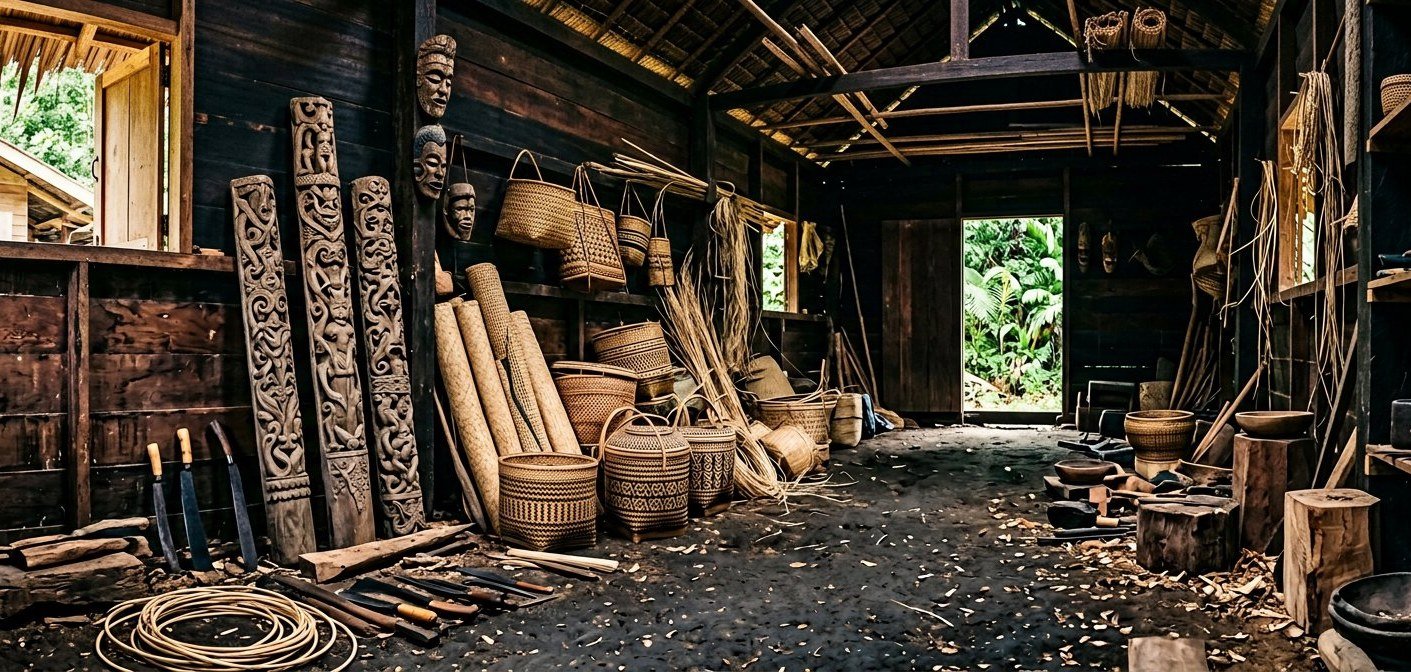
Borneo is not a style. It is not a palette of safari neutrals or a jungle-print shortcut. It is one of the oldest inhabited islands on earth, a place where rivers still work as roads and forests hold both timber and memory. Many distinct communities have made their lives there, and each has developed its own visual language. What connects them is not sameness but a long intimacy with material.
Craft on this island was never a decorative afterthought. It is how people build houses, carry harvests, dress, and honour their dead. Beauty is rarely applied to a material here. More often it is released from it.
The language of wood.
Everything in Bornean material culture begins with wood. River ironwood, dense and dark. Softer species, so pale they seem to drink the light. Timbers that served as house posts for generations, or spent years adrift before someone pulled them from the current, silvered and pocked, their history written in open grain.
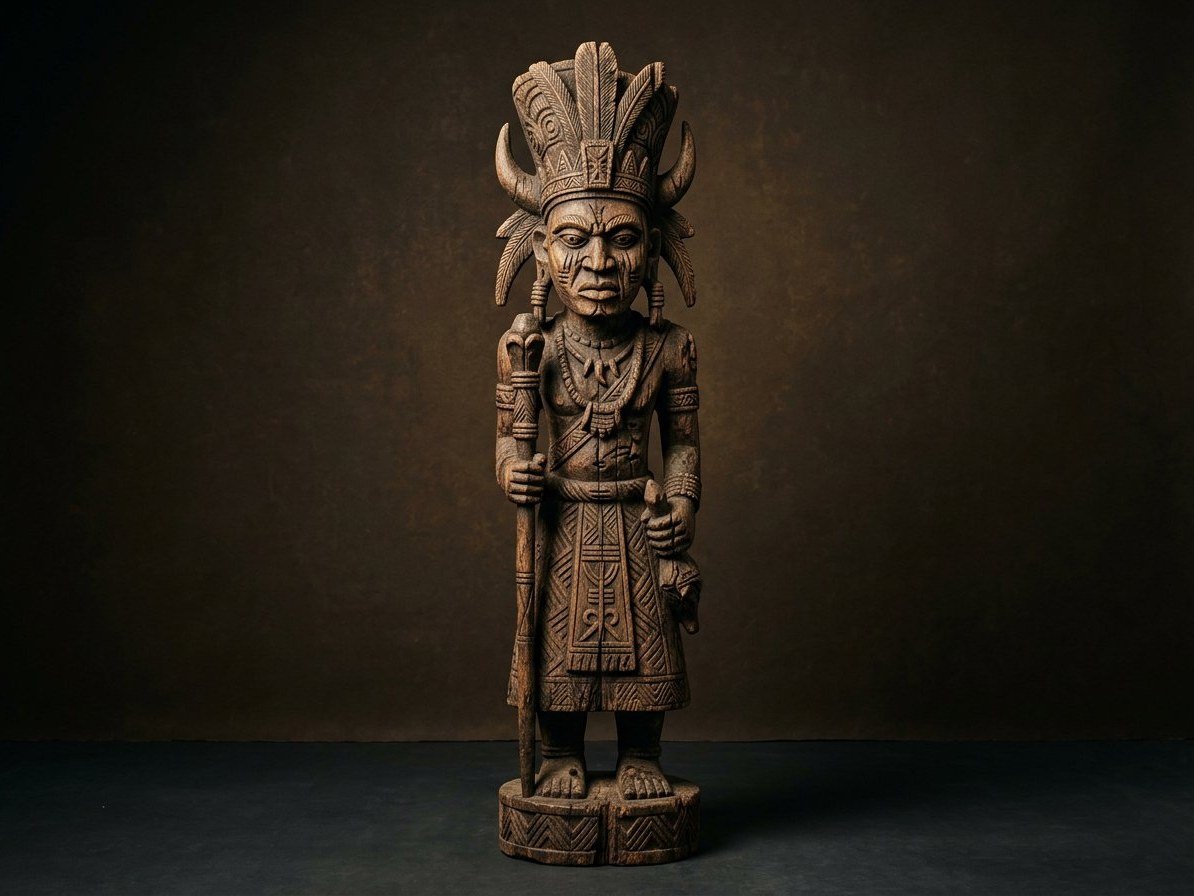
The carving tradition is just as unsentimental. Figures are not shaped merely to please the eye. They hold positions. A guardian stands because something needed guarding. A fence figure leans into the longhouse because the building asked for a presence. A monument rises because a ceremony required one. Even at rest the forms stay architectural: straight backs, folded arms, knees drawn up in a seated stillness that has remained legible for centuries.
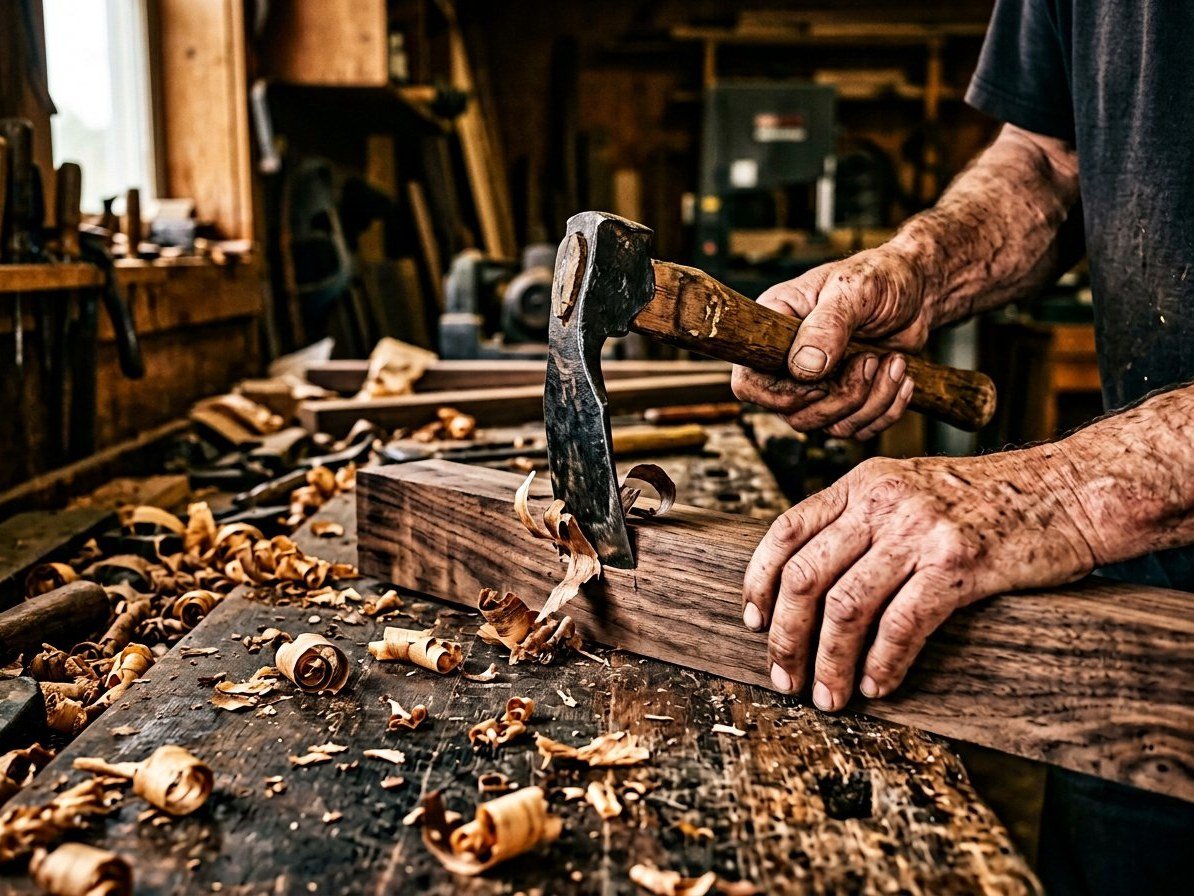
What a photograph flattens, the hand restores. The rhythm of an adze working with the grain instead of against it. The slight asymmetry that tells you a person was here, not a machine. Tool marks remain visible beneath the patina, and the cracks and checks of weathering are left alone. They are the object's chronology. Nothing about them was ever concealed.
This is what gives carved Bornean wood its particular gravity in a room. It does not decorate. It presides.
Woven landscapes.
Where timber is weight, fibre is breath. Rattan comes from climbing palms, cut and split into cane. Bamboo is light and tensile. Grass, straw and palm fibre can be twisted soft enough to wrap a body or tight enough to carry a harvested field home.
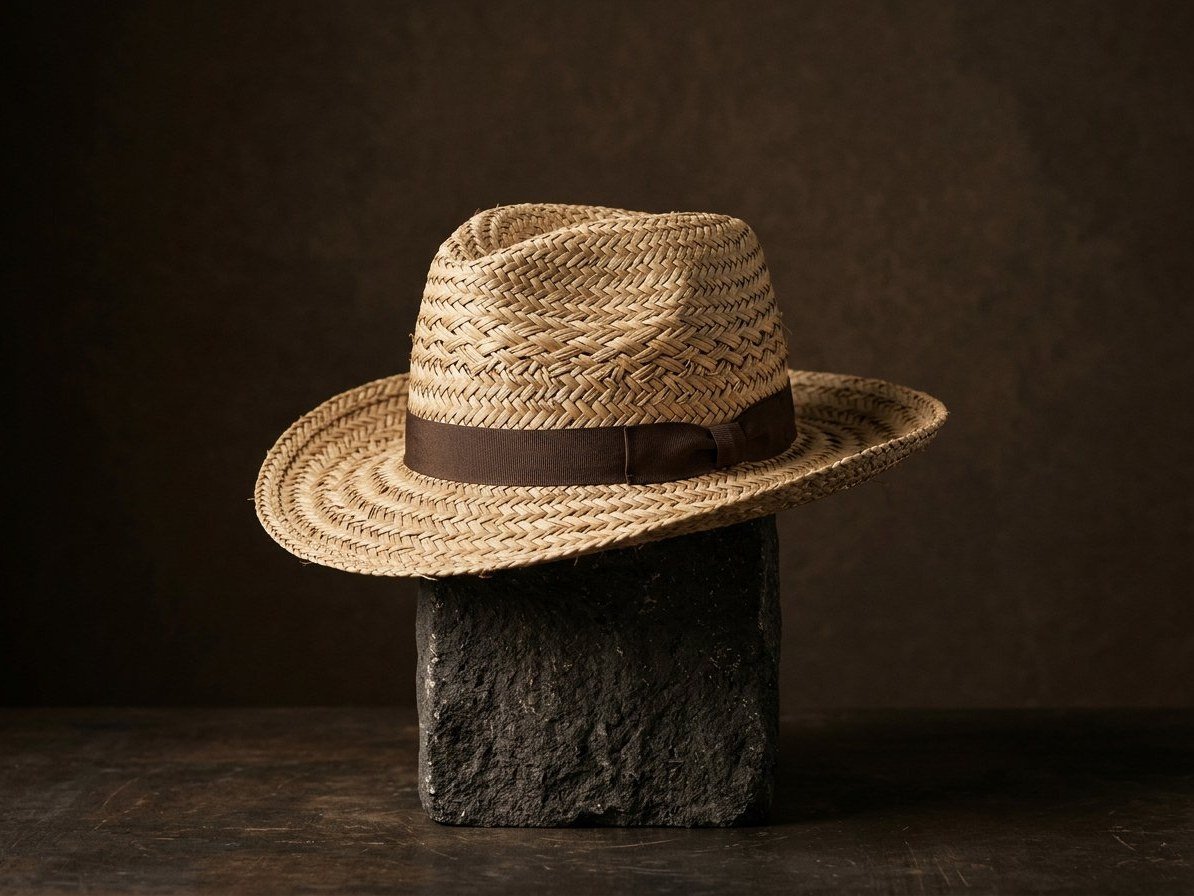
The woven objects of Borneo belong to the quiet aristocracy of utilitarian design. Baskets flex but do not fail. A mat can turn a bare floor into a room. A well-made hat has the discipline of architecture reduced to the scale of a hand. Every one of them holds hours of repetitive, exact movement, coiled into form.
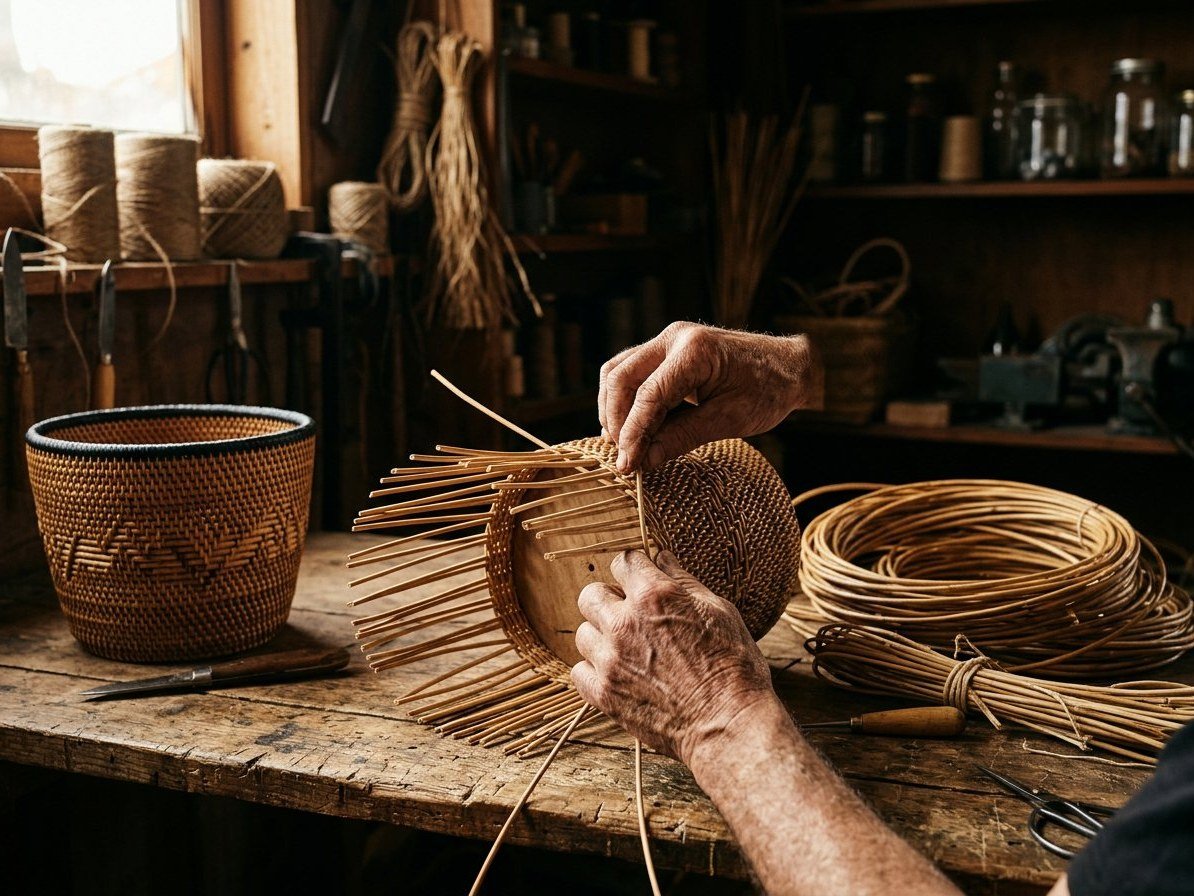
Look closely and the logic is absorbing. Warp and weft resolve into pattern without a single drawn plan, and tension does the work of nails and glue. You cannot separate the elegance from the engineering. There is no point where one stops and the other begins.
Craft with memory.
These traditions are many, and they are not interchangeable. The Dayak peoples of the interior. The Iban, whose pua textiles now sit in major museum collections. The Kenyah and Kayan of the highlands. Each community keeps its own techniques, its own vocabulary of pattern, its own sense of what an object is for.
Pattern in Borneo is not ornament for ornament's sake. Scrolls, hooks and figural forms carry identity and knowledge whose meanings belong, first of all, to the communities that made them. Beadwork maps lineage in coloured glass. Weave structures and carved motifs travel with families along the rivers. The responsible way to look at pattern from Borneo is the way you would read a text in a language you are still learning: with attention, and with the humility not to invent the translation.
That restraint matters once objects leave their context. You can admire a piece deeply, even love it, without claiming to know everything it once meant. Honest admiration ages better than confident fiction.
From tradition to contemporary interiors.
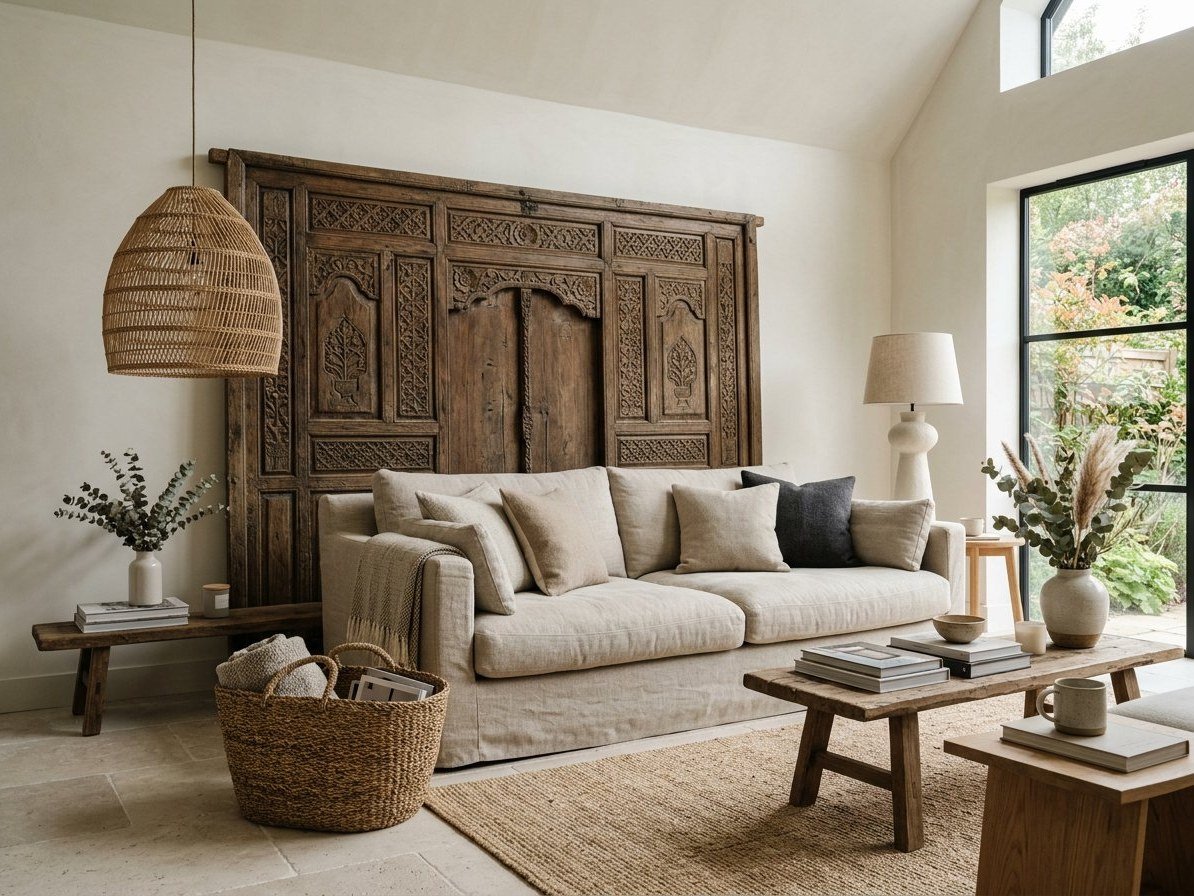
None of this feels like a coincidence right now. Across the design world the direction has been clear for a while: warmer woods, darker and reclaimed timber, rattan and cane, surfaces that ask to be touched. Rooms are moving away from the anonymous and the mass-finished. The prized quality is layered, personal, assembled over time rather than installed in a day.
Borneo's material culture answers that shift directly. Weathered hardwood gives instant depth to pale architecture. A single carved figure can anchor a minimal room the way one strong sentence anchors a page. Woven fibre softens hard lines without clutter. And because handmade things resist perfect repetition, they individualise any space they enter.
The rooms that succeed with such pieces share one quality: restraint. One monumental figure is usually enough. One wall of aged timber, one generous basket, one pendant lamp whose evening shadow you start to look forward to. The craft does the work. The interior only has to listen.
Why we keep looking.
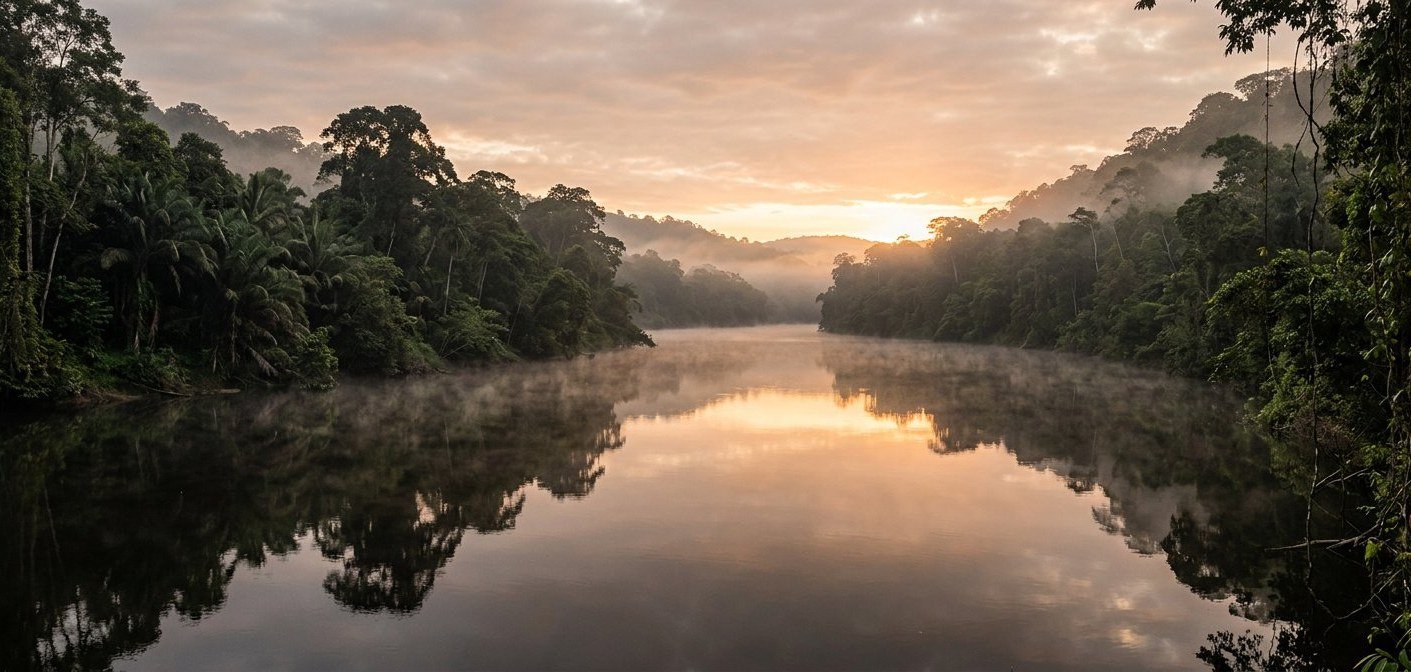
Borneo's appeal is not only about how its objects look, though they are extraordinary to look at. It is about what they hold: the patience of a river inside a length of eroded timber, a community's ceremony fixed in hardwood, hundreds of hours of braiding inside the silhouette of a hat. The forest is never just the backdrop to this craft. It is the workshop, the warehouse and the archive.
Bringing such an object into a home is not decorating with the exotic. It is making room for evidence: of place, of time, of the human hand that no machine has learned to replace. That is what we mean when we say Borneo, made by hand. And it is why, after you have looked closely, machine-perfect things start to feel strangely quiet.
Continue with the collection